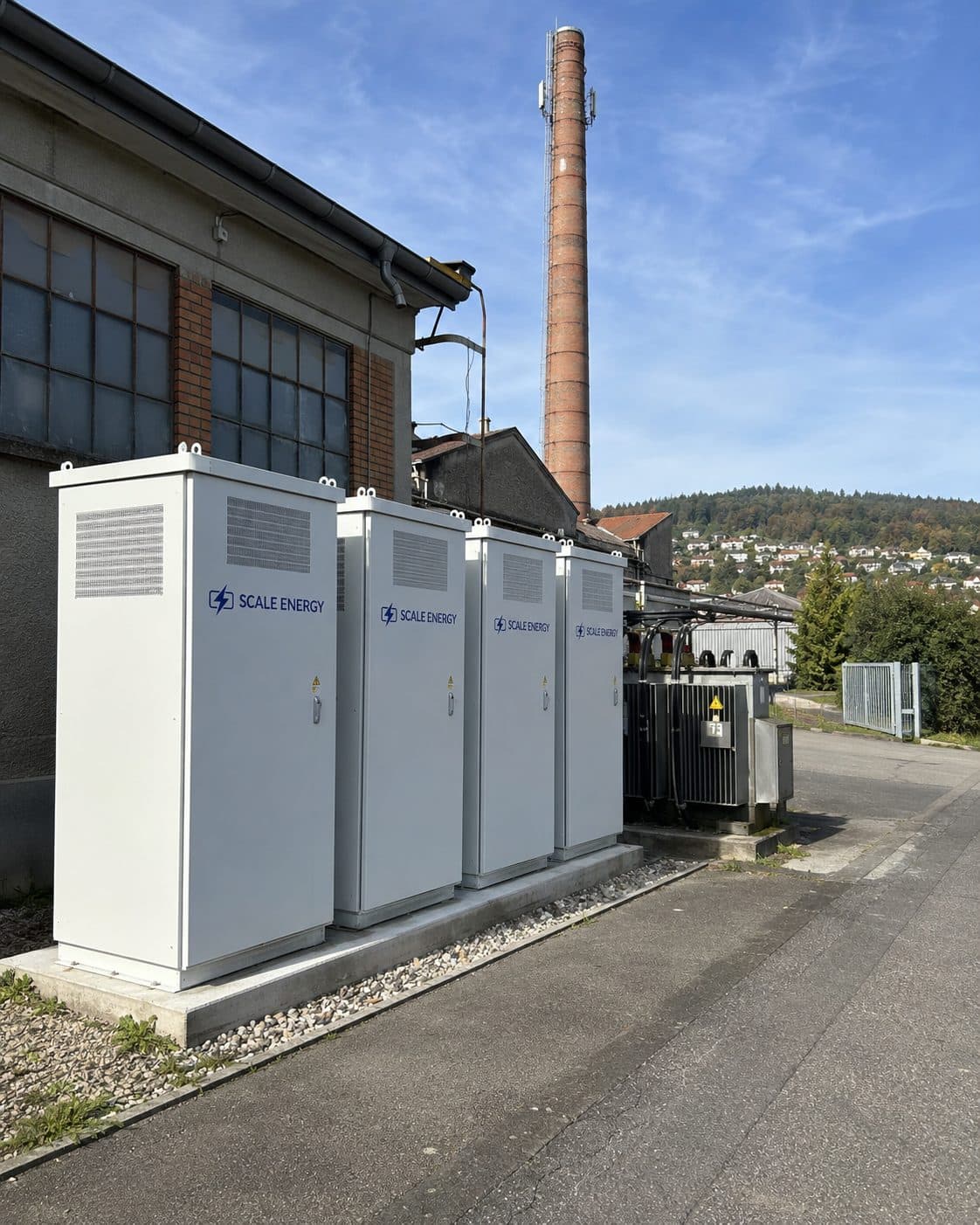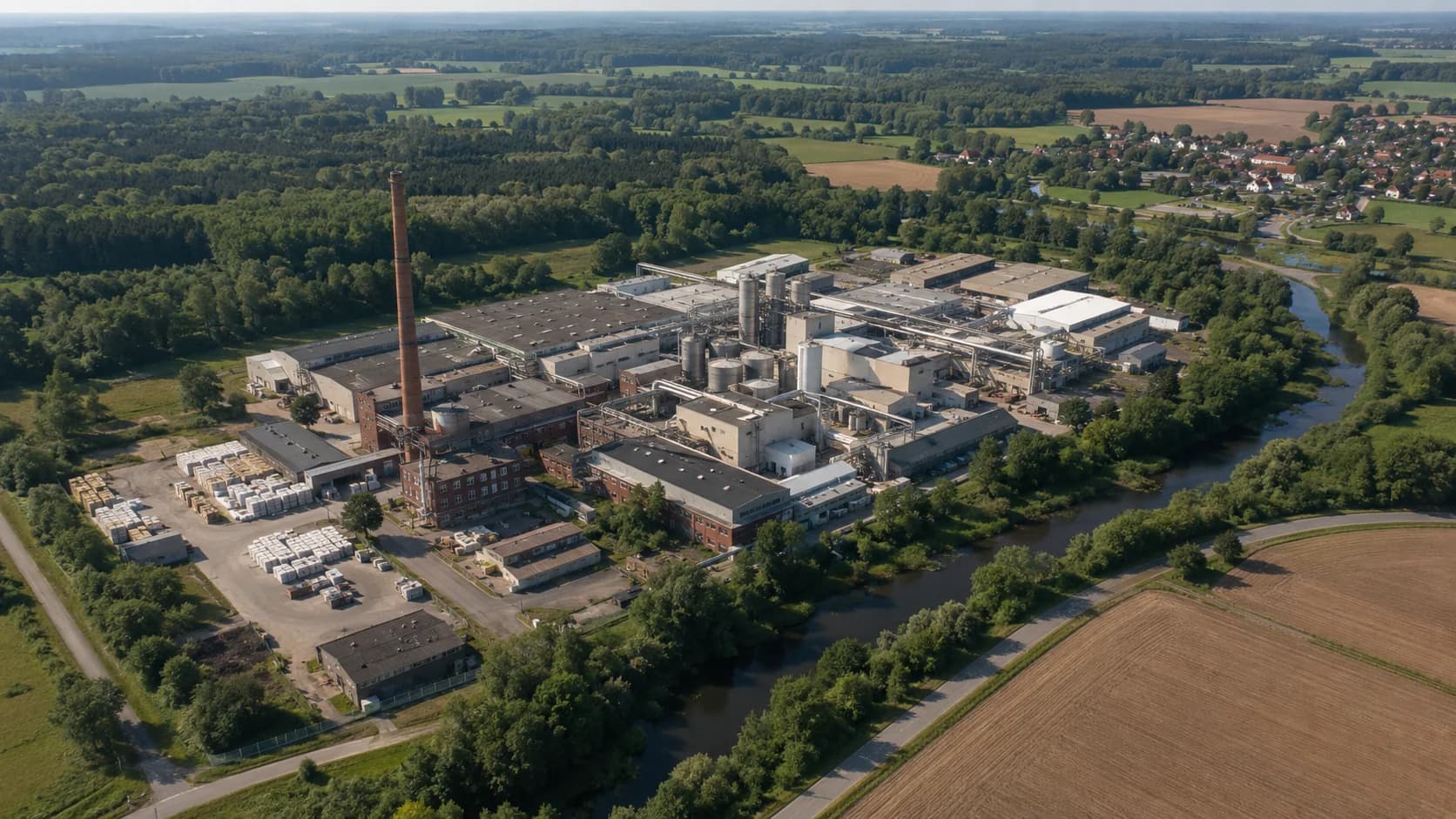
Leading paper company·Lower Saxony
Project development for a 12 MW battery storage system completed.
12 MW / 24 MWhProject development completed
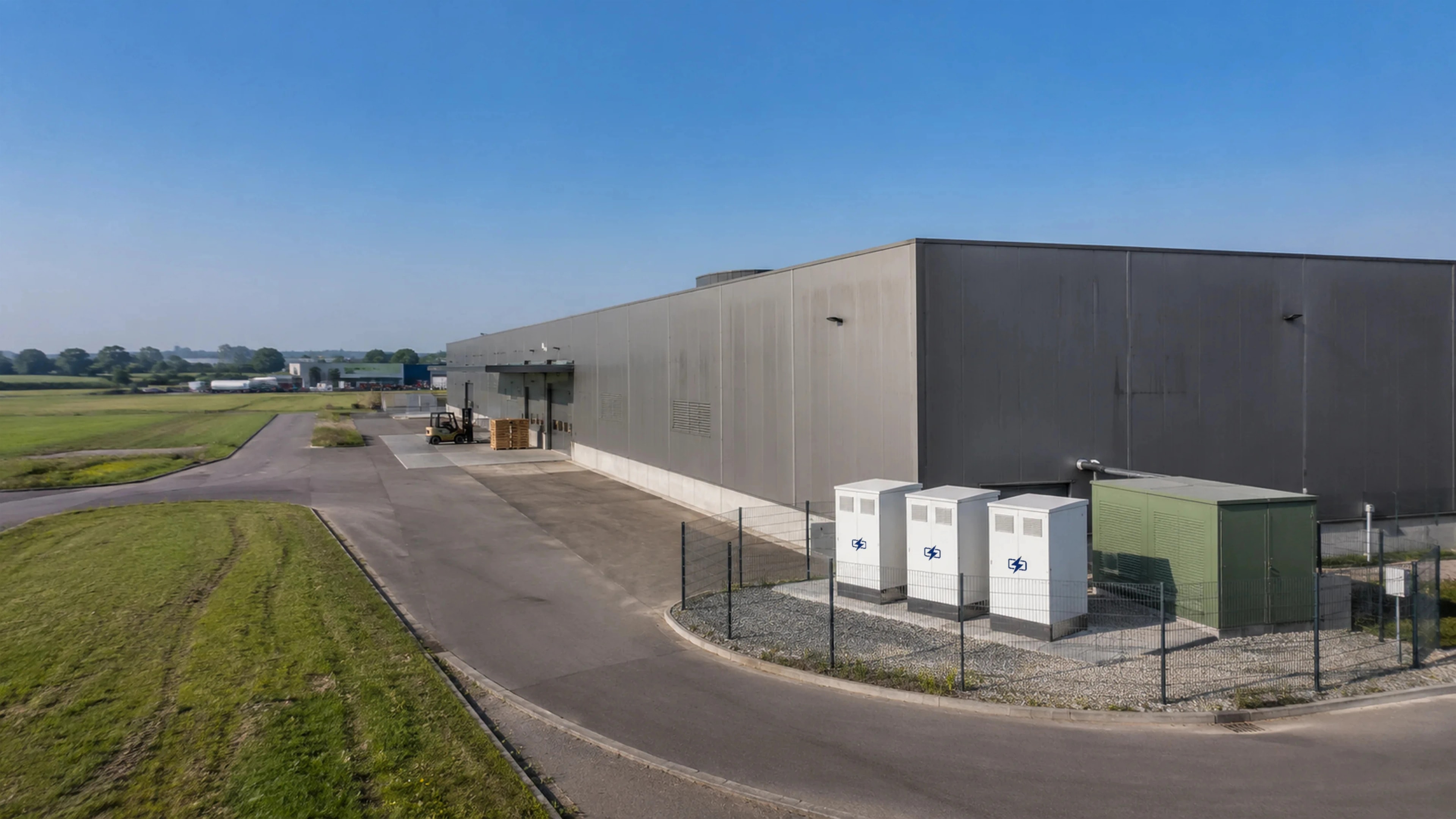
A storage system at your site cuts electricity costs on three levels: shave peak loads, charge cheap, earn on the power markets. We plan, build and operate, you see the savings.
Potential check
A first estimate in 30 seconds.
Most businesses overpay in three places. That is exactly where a battery storage system steps in — turning each cost block into a lever. The key part works entirely without PV, and our system runs it automatically.
Your highest quarter-hour peak determines a large share of your grid fees. The storage discharges exactly at the peak moment; the expensive spike disappears, month after month.
The storage charges automatically when power is cheap on the exchange and delivers it hours later when power would be expensive. You shift consumption into low-price hours, automatically.
Free capacity is marketed automatically: charged during cheap hours, sold back to the grid during expensive hours. The difference is your revenue, on the day-ahead, intraday and balancing markets.
If you have a PV system, the storage stores the midday surplus and makes it available in the evening. An additional lever, but not a requirement.
Sample calculation for an industrial site with a 500 kW peak load. The exact figures for your site come from the free initial estimate.
01
Free: share your 15-minute load profile, and we assess basic suitability within 24 hours.
02
Free: we calculate what peak shaving, smart procurement and marketing realistically deliver and which size fits.
03
On-site visit, grid analysis and a technical report as the solid basis for the final system design.
04
Scale Energy handles planning, permits, installation and the ongoing operation of the system.
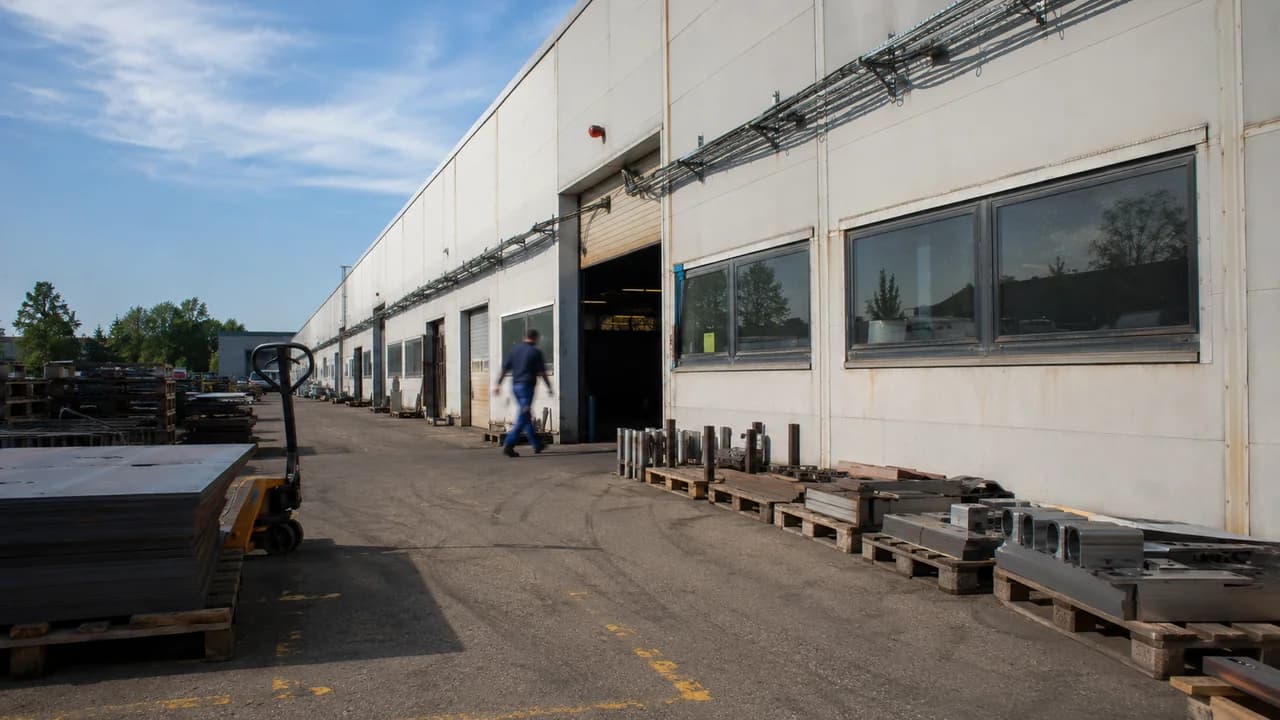
All industrial sites with at least 100 MWh annual consumption and a 15-minute load profile. The higher your peak loads and the more flexible your power procurement, the more attractive the model.
The initial estimate and economic viability calculation are free. The paid detailed analysis (on-site visit, report) is the first chargeable step — the price is communicated transparently in advance. You can buy or lease the storage system; the leasing rate is typically below the monthly electricity cost savings.
Scale Energy handles 24/7 monitoring, maintenance, and fault resolution in full. You receive access to a dashboard with monthly reports.
We operate and market the storage system across its entire lifetime and have our own interest in its economic performance. What applies in which case is contractually defined and transparent.
After the paid detailed analysis, typically 3–6 months, depending on the permitting process and technical complexity.
Established LFP technology (lithium iron phosphate) with high cycle stability. System size is dimensioned individually to your load profile.
Send us your load profile and we will give you an honest initial estimate within 24 h.